

Rare Cannabinoids Explained: THCV, CBDv, CBG, and CBN in 2026
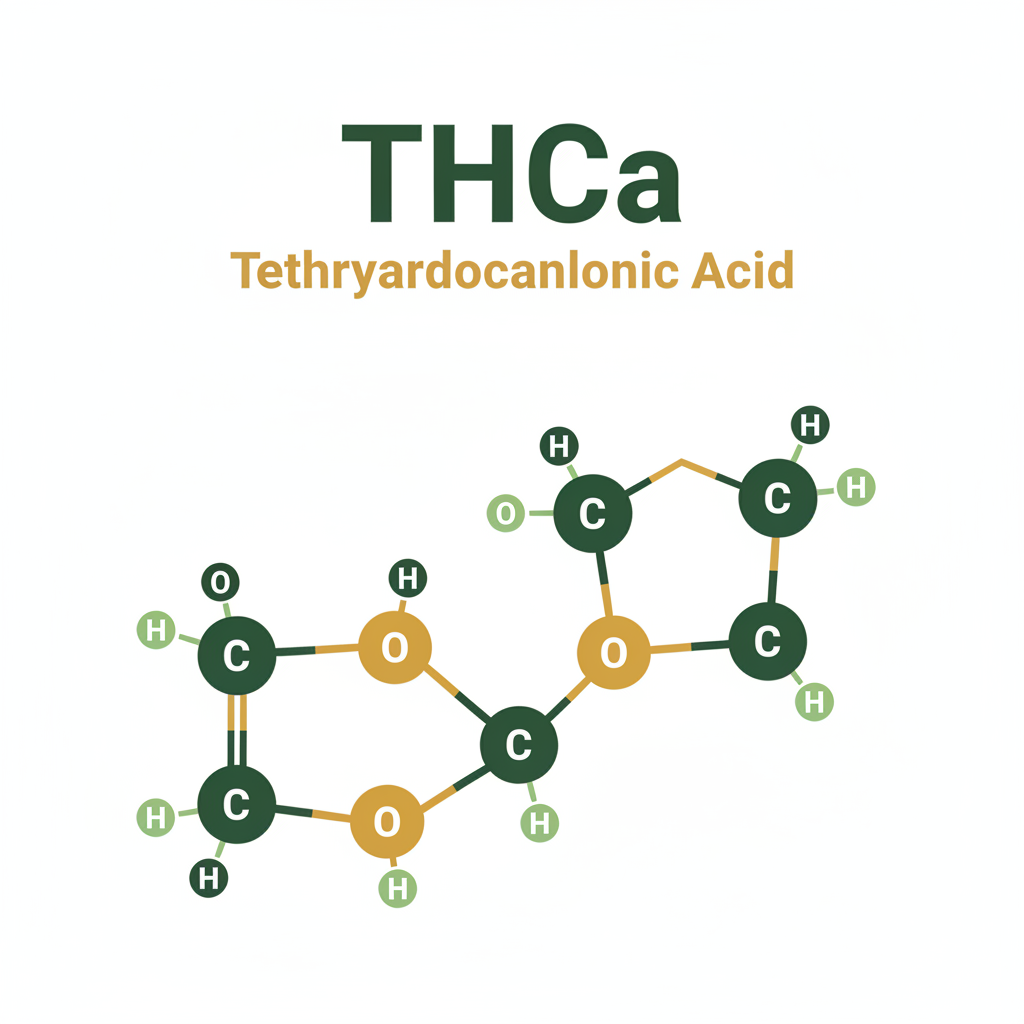
The hemp aisle in 2026 looks very different than it did just a few seasons ago. Familiar names like CBD and THC still anchor most shelves, but a growing share of product labels now highlights compounds that most shoppers had never heard of before. These are the rare cannabinoids, and they are arriving in tinctures, gummies, and vaporizers formulated for specific outcomes rather than vague general wellness. Their rise reflects a straightforward reality: hemp contains far more than CBD and THC, and consumers are ready to learn about the rest of the plant. THCV, CBDv, CBG, and CBN sit at the center of that conversation.
What Does "Rare Cannabinoid" Mean?
The phrase "rare cannabinoid" describes the amount of a compound present in the plant, not how unusual it sounds. Cannabinoids like CBD and THC appear in comparatively generous quantities, which is why they became the foundation of the modern hemp market. Most other cannabinoids exist in much smaller amounts. In fact, a single rare cannabinoid will usually make up just 0.01% to 10% of the plant's total cannabinoid content.
That low concentration has real consequences for product development. Compounds present in trace amounts are harder to isolate, which means they historically received less research attention and less commercial focus. Today, improved extraction and manufacturing methods allow brands to concentrate these compounds into products that were difficult to produce even a few years ago. That shift is the main reason rare cannabinoids now appear on store shelves at all.
Why Rare Cannabinoids Have a Bigger Role in 2026
Consumer interest in rare cannabinoids has continued to grow, and brands have responded with education as much as products. In August 2026, Rare Cannabinoid Company highlighted CBC, a naturally occurring, non-intoxicating cannabinoid found in hemp, as part of its educational series. CBC is one of many compounds that rarely appear in mainstream hemp conversations, but its inclusion in a dedicated educational campaign signals where the market is headed.
The same brand also launched a guide to the endocannabinoid system, the network of receptors that allows cannabinoids to interact with the human body. That kind of educational content matters because rare cannabinoids are often misunderstood. Shoppers are not just looking for something new. They are looking for products that support specific goals, including mood enhancement, energy, appetite control, discomfort relief, and restful sleep. Rare cannabinoid formulas are increasingly designed around those outcomes.
Four Rare Cannabinoids Worth Knowing in 2026
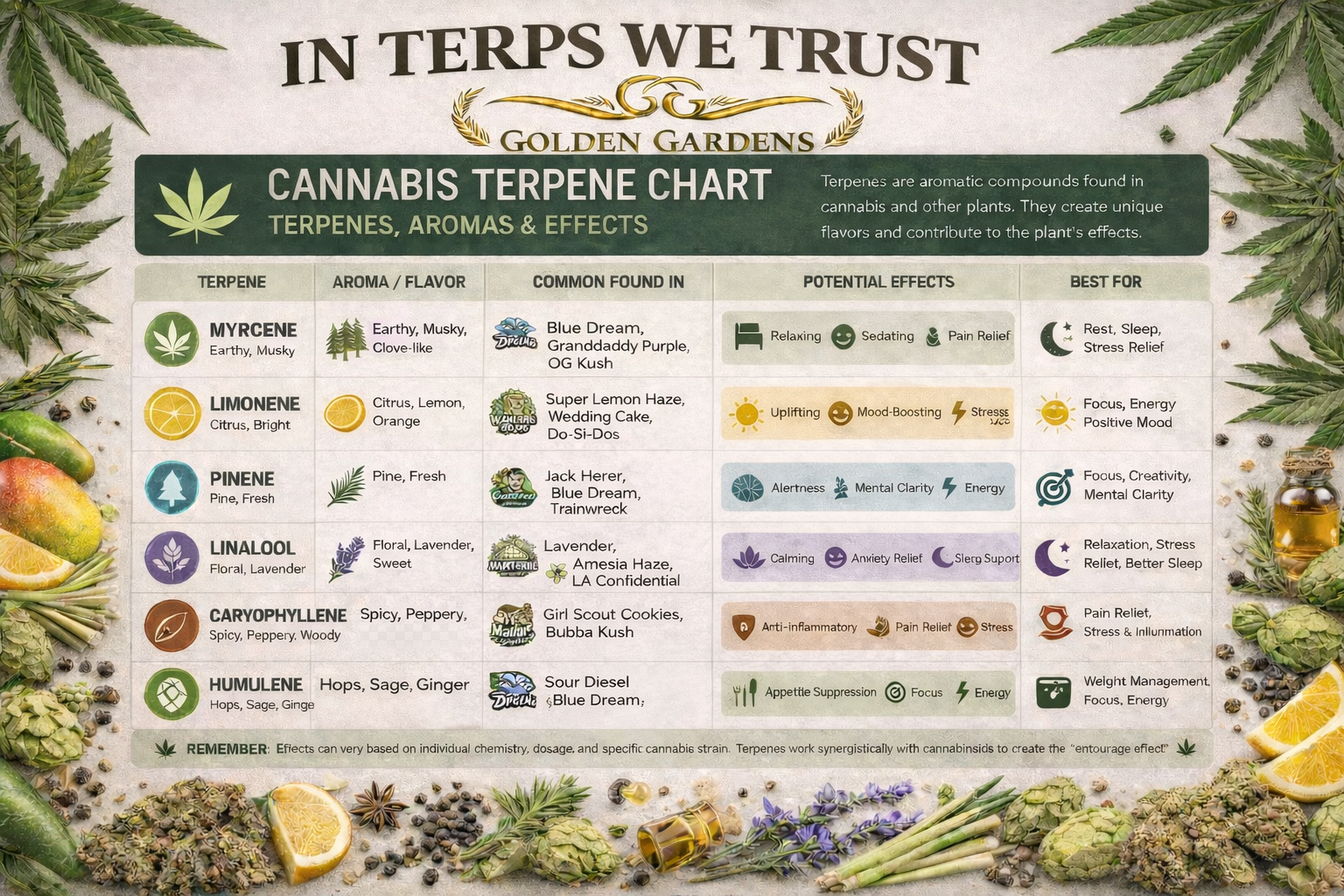
THCV, CBDv, CBG, and CBN are four names appearing on more labels each year. Each has its own identity, and each shows up in different product formats.
THCV
THCV has become one of the most visible rare cannabinoids in the wellness market. It is most commonly associated with appetite control and energy, which explains why brands now offer THCV gummies, vaporizers, and tinctures built around focus and alertness. Consumers searching for weight management support often encounter THCV before any other rare compound. Rechargeable vaporizer formats have made THCV especially convenient for daytime use, while gummies provide a slower experience for those who prefer not to inhale anything.
CBDv
CBDv follows a different path than THCV. Instead of anchoring its own product family, CBDv typically appears within collections of minor and rare cannabinoids. Retailers and manufacturers group these lesser-known compounds together because demand for individual rare cannabinoids is still developing. Shoppers who explore beyond CBD isolates will often find CBDv listed as part of full and broad spectrum formulas. Brands that manufacture full spectrum Hawaiian CBD alongside rare cannabinoid tinctures give consumers a way to experience the broader chemical profile of the plant.
CBG
CBG has moved from an obscure ingredient to a relatively common label claim in hemp products. It belongs to the same category of compounds found in small quantities within the plant, and it frequently appears in conversations about minor cannabinoids as a group. Many 2026 shoppers first encounter CBG while comparing it with other rare compounds for sleep support. The comparison itself illustrates a larger trend: consumers are becoming more selective about which cannabinoid they want for which part of their routine.
CBN
CBN has developed a reputation as the compound people seek when their goal is rest. Product lines marketed for sleep support often feature CBN in combination with other plant compounds, since most consumers prefer a formula over a single isolated ingredient. CBN is also a useful example of how rare cannabinoid products work in practice. A tincture or gummy that promises restful sleep will typically combine several compounds rather than relying on one molecule to do all the work. That formula-based approach is common across the rare cannabinoid category.
The Endocannabinoid System Connection
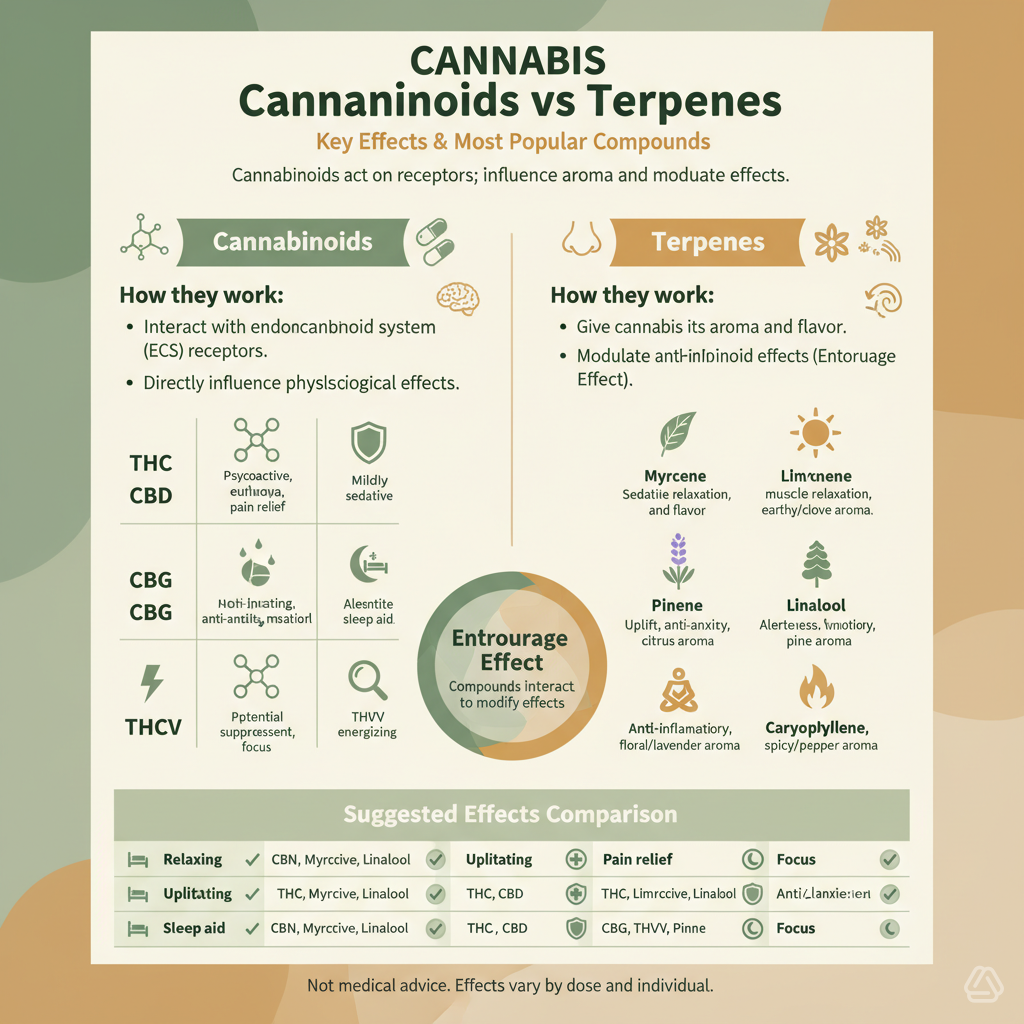
None of these compounds makes sense without the endocannabinoid system. This is the body's network of receptors that respond to cannabinoids, and it is the subject of growing public interest. When Rare Cannabinoid Company released its educational guide, the goal was to explain how the endocannabinoid system works and how cannabinoids such as CBD and THC interact with it. The same framework applies to rare cannabinoids, which is why brands invest so heavily in educational content.
Understanding the endocannabinoid system also helps shoppers set realistic expectations. A rare cannabinoid is not a magic ingredient. It is one part of a larger biological conversation that involves the compound itself, the delivery method, and the rest of the formula. For this reason, many premium hemp brands describe their products in terms of the experience they support rather than making absolute claims about any single molecule.
How to Choose a Rare Cannabinoid Product
Shopping for rare cannabinoids in 2026 requires a slightly different approach than buying ordinary CBD products. Start by looking at the full label rather than just the compound name. Reputable retailers publish third-party lab results so you can confirm what is actually inside the bottle.
Look for lab-tested products from brands that openly share certificates of analysis.
Decide whether you want a full spectrum, broad spectrum, or isolate-based formula.
Choose a format that fits your routine, such as tinctures, gummies, or vaporizers.
Consider whether the product is designed for a specific goal like appetite control, focus, or sleep.
Check shipping policies before ordering to avoid surprises at checkout.
Free shipping is a common consideration for online hemp shoppers. For example, some rare cannabinoid retailers offer free shipping on U.S. orders over $75. That threshold is typical of the premium hemp space, where customers tend to order multiple products at once. Buying from a manufacturer rather than a marketplace can also give you more transparency about how the product was made and tested.
What Full and Broad Spectrum Formulas Mean for Rare Cannabinoids
Many rare cannabinoid products are built on full spectrum or broad spectrum foundations. Full and broad spectrum extracts contain a range of compounds from the original plant, which sets them apart from purified isolates. A health and wellness company that manufactures full and broad spectrum Hawaiian CBD and THC products may offer rare cannabinoid tinctures and gummies as extensions of that same line. This approach lets shoppers explore unusual compounds without leaving the quality standards of a brand they already trust.
The difference between full and broad spectrum is worth understanding before purchase. Full spectrum products generally retain the plant's original chemical profile, including detectable levels of THC. Broad spectrum products go through additional processing to remove THC while keeping other cannabinoids intact. Both formats can include rare cannabinoids, and neither is inherently better than the other. The right choice depends on your tolerance, your reasons for using hemp products, and your preferences around THC.
Frequently Asked Questions
What is a rare cannabinoid?
A rare cannabinoid is a compound found in hemp in much smaller quantities than CBD and THC. While CBD and THC dominate the plant's chemical profile, a rare cannabinoid will typically represent just 0.01% to 10% of total cannabinoid content. THCV, CBDv, CBG, and CBN are examples of compounds that fit this definition and are gaining more consumer attention.
Are rare cannabinoids intoxicating?
Rare cannabinoids do not all behave the same way. CBC, for example, is described as a naturally occurring, non-intoxicating cannabinoid found in hemp. Other rare compounds may have different effects depending on the formula and the presence of THC. Always review the product's lab results and read the brand's description so you understand exactly what you are purchasing.
How are rare cannabinoids different from CBD and THC?
CBD and THC appear in far larger quantities in hemp, which is why they were studied and commercialized first. Rare cannabinoids exist at much lower concentrations, so they require more effort to extract and formulate into usable products. Brands craft rare cannabinoid tinctures, gummies, and vaporizers for specific outcomes such as mood, energy, appetite control, discomfort relief, and sleep support.
Where can I buy rare cannabinoid products?
Rare cannabinoid products are available through specialty hemp retailers and manufacturers. Rare Cannabinoid Company, a Honolulu-based health and wellness company, sells full and broad spectrum Hawaiian CBD and THC products as well as rare cannabinoid tinctures and gummies, with free shipping on U.S. orders over $75. Many other retailers offer collections that group rare and minor cannabinoids together with isolates and distillates.