

Honest THCV Gummies Reviews: Lab Reports and Quality
THCV gummies reviews are some of the most useful and most misleading content in the hemp market at the same time. Useful, because the people writing them describe what a specific dose felt like in a real body. Misleading, because a review can only speak to one person's experience with one batch, and it says nothing about whether the gummy in your jar is clean or labeled accurately. The practical way to get value from those reviews is to read them alongside a certificate of analysis.
What THCV Gummies Reviews Consistently Describe
Across the reviews collected from retailers and community threads, a pattern shows up. People describe a clear-headed, motivating feeling rather than heavy sedation, improved focus and mental sharpness for some users, and a lighter body sensation. That combination is what draws functional users toward THCV instead of a standard THC edible, and it is the thread that runs through most positive write-ups.
Individual accounts add texture. One reviewer living with severe panic disorder described the gummies as a lifesaver. Another, after five days of use, credited them with better energy levels, stronger concentration at work, and an improved overall attitude. Customers of THCV Uplift Gummies have praised the ability to support energy, focus, and appetite control without jitters or a high.
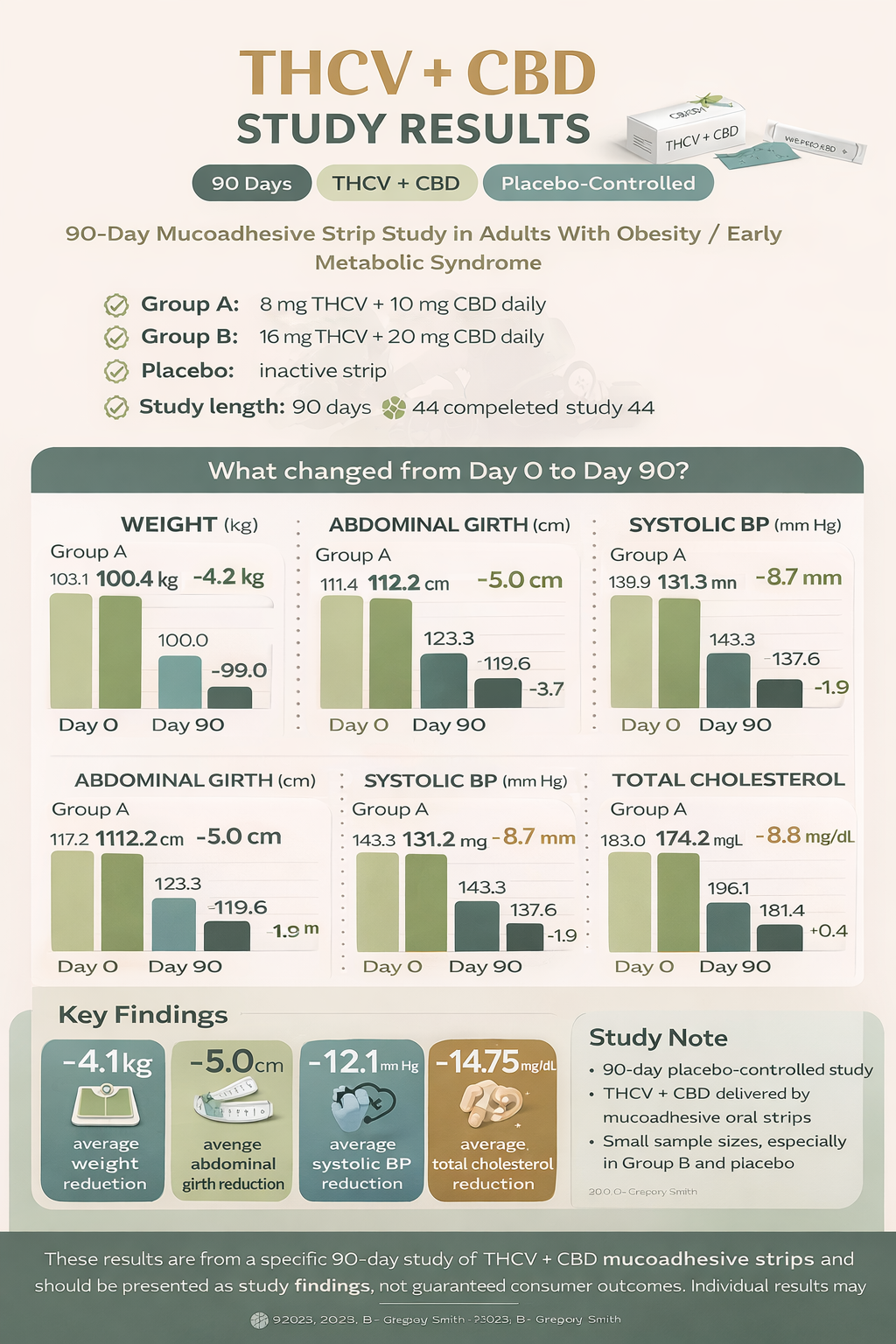
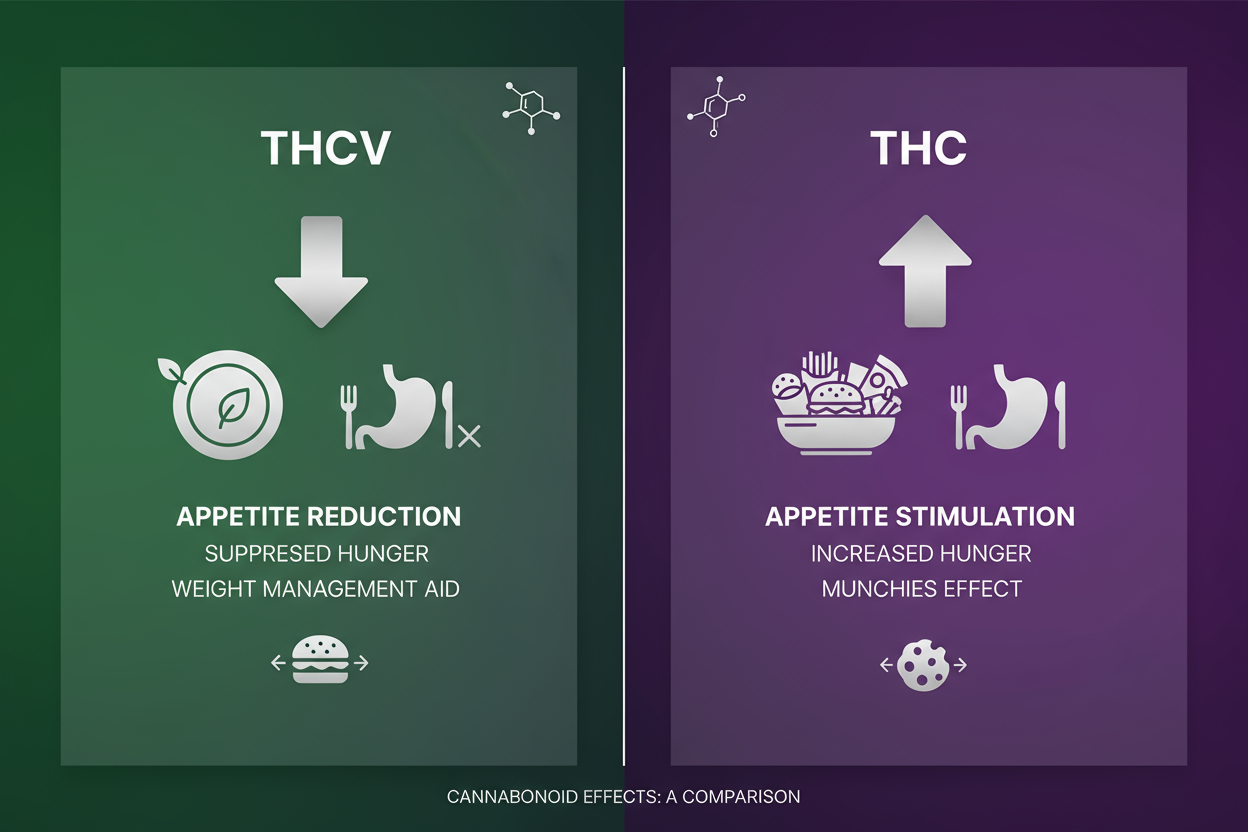
Appetite is the other recurring theme. One user reported that the gummies curbed appetite, helped with weight loss, and reduced blood sugar numbers. That last claim deserves caution. It is a personal report, not clinical evidence, and anyone managing blood sugar should treat a review as a starting point for a conversation with a clinician rather than a substitute for one.
Reported Side Effects Belong in the Review You Trust
Reviews that only describe benefits are only telling half the story. Reported side effects for THCV at high doses include:
Dizziness
Dry mouth
Increased heart rate
Mild anxiety at high doses over 150 mg
None of these are guaranteed, and plenty of users report none at all. The point is that a review which claims a product carries zero downsides, at any dose, is not describing the same cannabinoid the research describes. When a review does mention a drawback and explains what dose produced it, that is a signal the writer actually took the product and paid attention.
Dose Is the Missing Number in Most Reviews
"It worked" means very little without a milligram figure attached. Reported intensity tracks with serving size. One buying guide notes that the effect is subtle at up to 25 mg and grows more noticeable from there, which matches the broader pattern of reviews. Someone who took a small serving and felt a gentle lift is describing something real, but it is not the same experience as someone who took three times as much or 75 mg.
Formulas vary widely, which makes the label the first thing to read. Kush Queen's Focus product combines THCV with CBD and comes in 10 pack and 30 pack options. Lake Country Growers sells Gold Leaf Collection THCV Gummies in peach at 15 mg per gummy in a 10 count. Two products, two very different experiences per piece. A review without the product name, the milligram per gummy, and the number of pieces taken is closer to a mood report than a product review.
How to Read a THCV Lab Report Step by Step
A certificate of analysis, usually called a COA, is the document that separates a real quality claim from marketing copy. It organizes test results from a third-party laboratory into panels. Reading one takes a few minutes once you know the order to work through.
Match the Batch Number to Your Package
Every legitimate COA is tied to a specific production batch or lot. Find that identifier on the report and confirm it matches what is printed on the container you are holding. A beautiful lab report for a batch you did not buy proves nothing about your product. If the seller publishes one generic report for every product and every size, or if no batch identifier appears anywhere, treat that as a gap rather than a technicality.
Read the Cannabinoid Panel Before the Contaminant Panels
The cannabinoid panel is where potency lives. It should list each cannabinoid the lab detected with a percentage or milligram figure, which lets you compare the reported THCV amount against what the label promises. It should also show the other cannabinoids present, including CBD and any THC, because those shape the experience as much as the headline ingredient does. If a gummy is marketed as THCV only but the panel shows additional intoxicating cannabinoids, you now know.
Check the Contaminant Panels in Full
This is the section that has the most to do with how you feel the next morning. Most comprehensive COAs include testing for residual solvents, pesticides, heavy metals, microbial contamination, and mycotoxins. Look for clear results, typically reported as passing, not detected, or below a stated limit. A report that shows a cannabinoid panel but skips contaminants entirely is an incomplete document, no matter how clean the numbers look.
Confirm the Lab and the Testing Date
Look for the name of the laboratory that performed the work and the date the sample was tested. Independently operated labs are the norm in this category because self-reported results carry no weight. A recent date matters too. Cannabinoid content can shift between harvests and formulations, so a report from several years back tells you about a batch that no longer exists. If either the lab name or the date is missing, ask the seller directly before you buy.
Review Red Flags That Point to Low Quality
Some reviews are honest and some are noise. These patterns tend to show up in the second group:
No mention of dose, serving size, or how many gummies were taken
Language that echoes the product page almost word for word
Claims that the product treats, cures, or manages a medical condition
Guarantees that no side effect is possible at any dose
Identical phrasing repeated across multiple reviews in a short window
No reference to a lab report, batch number, or freshness date
No references to scientific study results
None of these prove a product is bad on its own. Taken together, though, they shift the burden of proof onto the seller. A brand that publishes current third-party testing can answer those concerns with a document. A brand that cannot has nothing to offer but more adjectives.

Why Best Of Lists and Star Ratings Only Go So Far
Editorial roundups are a reasonable place to build a shortlist. A 2023 roundup from CBD Oracle named Koi best overall, citing the product's taste, texture, effects, and long-lasting results. Those are meaningful criteria for something you chew, since a gummy you dread eating does not get used. But taste and texture are not purity tests, and an editor's experience is still one person's experience.
The same logic applies to star counts. A COA answers a narrow, factual set of questions about what is inside the product and whether it is contaminated. Reviews answer a different question about how the product felt to someone else. Use the lab report to screen, and use the reviews to understand what a realistic experience might look like at a given dose. Combine them and you have something close to an honest picture.
Frequently Asked Questions
Do THCV gummies get you high?
Reviews tend to describe a clear-headed, functional feeling rather than heavy sedation, and some customers specifically praise the effects without a high. That said, formulas differ, and a gummy may contain other cannabinoids alongside THCV. Read the cannabinoid panel on the certificate of analysis so you know exactly what is in the product before you take it.
How long do THCV gummies take to work?
Reviews rarely describe onset in precise terms, and timing depends on your metabolism, what you ate, and the dose you took. Treat any review that quotes exact minutes as one person's experience rather than a rule. Start with a low serving, note how you feel, and adjust slowly across separate sessions rather than stacking doses in one sitting.
Can THCV cause anxiety?
Mild anxiety at high doses appears among the reported side effects, along with dizziness, dry mouth, and increased heart rate. That does not mean everyone will feel anxious. The reports cluster around larger servings, which suggests dose matters. Start low, confirm the milligram per gummy on the label, and stop if you feel unwell.
What should I look for in a THCV gummy lab report?
Check that the batch number matches your package, that the cannabinoid panel shows the THCV amount per gummy next to the label claim, and that contaminant testing covers residual solvents, pesticides, heavy metals, microbials, and mycotoxins with passing or not detected results. Note the testing date and the laboratory name. If any of those pieces are missing, ask the seller why.
Are the best THCV gummies the ones with the most reviews?
Not necessarily. Review volume can be inflated, and a best of pick reflects one editor's preferences. The 2023 roundup that chose Koi weighed taste, texture, effects, and how long results lasted, which is useful but subjective. A current certificate of analysis tells you about the product itself, so weigh it more heavily than a star count.